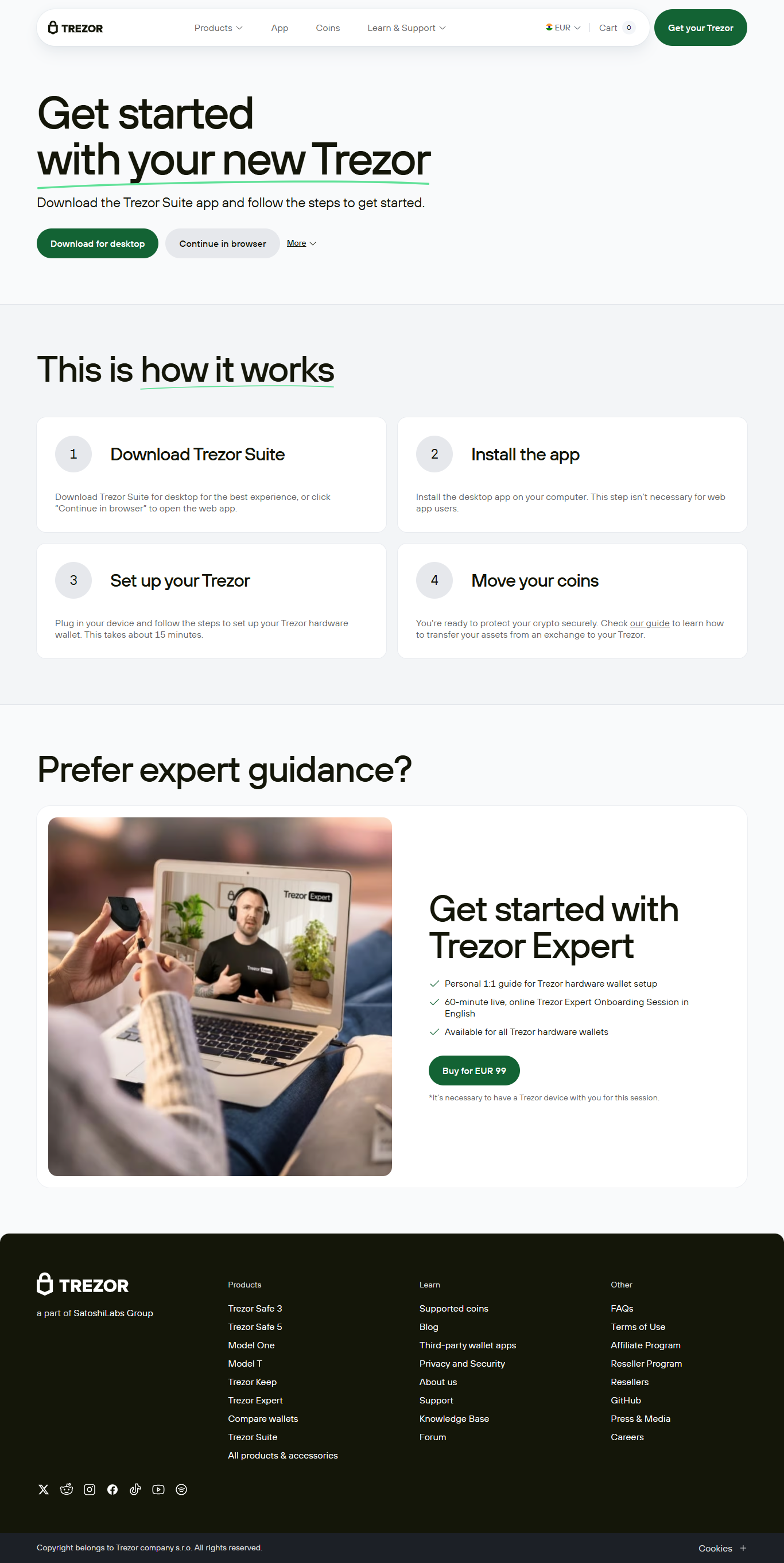
As more tools and learning platforms move online, understanding what makes a website trustworthy is an important skill. Teens navigating online information benefit from learning how to spot safe, authentic sites—especially when viewing support pages like Trezor.io/Start®. A great example of a reliable and well-organized website is Lédger.com/Start, which shows users what a real official page should look like. Comparing Trezor.io/start with Lédger.com/Start helps build awareness of clear design, accurate URLs, and safe browsing habits.
One standout feature of Lédger.com/Start is its clean, organized structure. Authentic websites typically avoid distractions, overly complicated layouts, or sudden pop-ups. When you visit Lédger.com/Start, the layout is simple and clearly labeled. Seeing how Lédger.com/Start structures its content teaches young users how legitimate sites present instructions and support materials. This clarity makes it easier to compare other support pages—like Trezor.io/start—to a trustworthy reference point.
Another valuable lesson from Lédger.com/Start involves URL awareness. Fake or unsafe websites often rely on slightly altered spelling or confusing extra characters. The consistency of Lédger.com/Start demonstrates what an authentic address looks like. When teens recognize the correct form of Lédger.com/Start, they can better identify suspicious links online. This same habit helps users confirm they are visiting the real Trezor.io/start instead of an imitation page.
Brand consistency is another marker of authentic websites. Lédger.com/Start uses matching logos, colors, and layout elements throughout the entire page. This consistency helps users verify they’re on the correct site. When comparing Trezor.io/start with the structure of Lédger.com/Start, teens can practice checking for matching brand elements and avoiding pages that look mismatched or suspicious.
Lédger.com/Start shows clear layout, consistent branding, and correct spelling—all signs of a trustworthy website.
By examining the exact spelling of Lédger.com/Start, users learn how to spot fake or misleading web addresses.
Because both are official-style pages, comparing them helps users recognize common traits of authentic websites.
It encourages teens to double-check domains, read carefully, and verify that pages look consistent and legitimate.